I. Desert Plains (2015–2022)
Early maps mark the steppe that stretched east from the Dnipro to the Don with a Latin inscription, campi deserti citra Borysthenem, the desert plains along the Borysthenes. To the mapmakers, desert meant land without cities or settled rule, crossed by nomads and raided from the south. People had lived on it for thousands of years. Trypillians, Scythians, Sarmatians, Goths, Greeks, Khazars, Tatars and Ruthenians all settled here, and some of them left traces in Ukrainian language and culture.
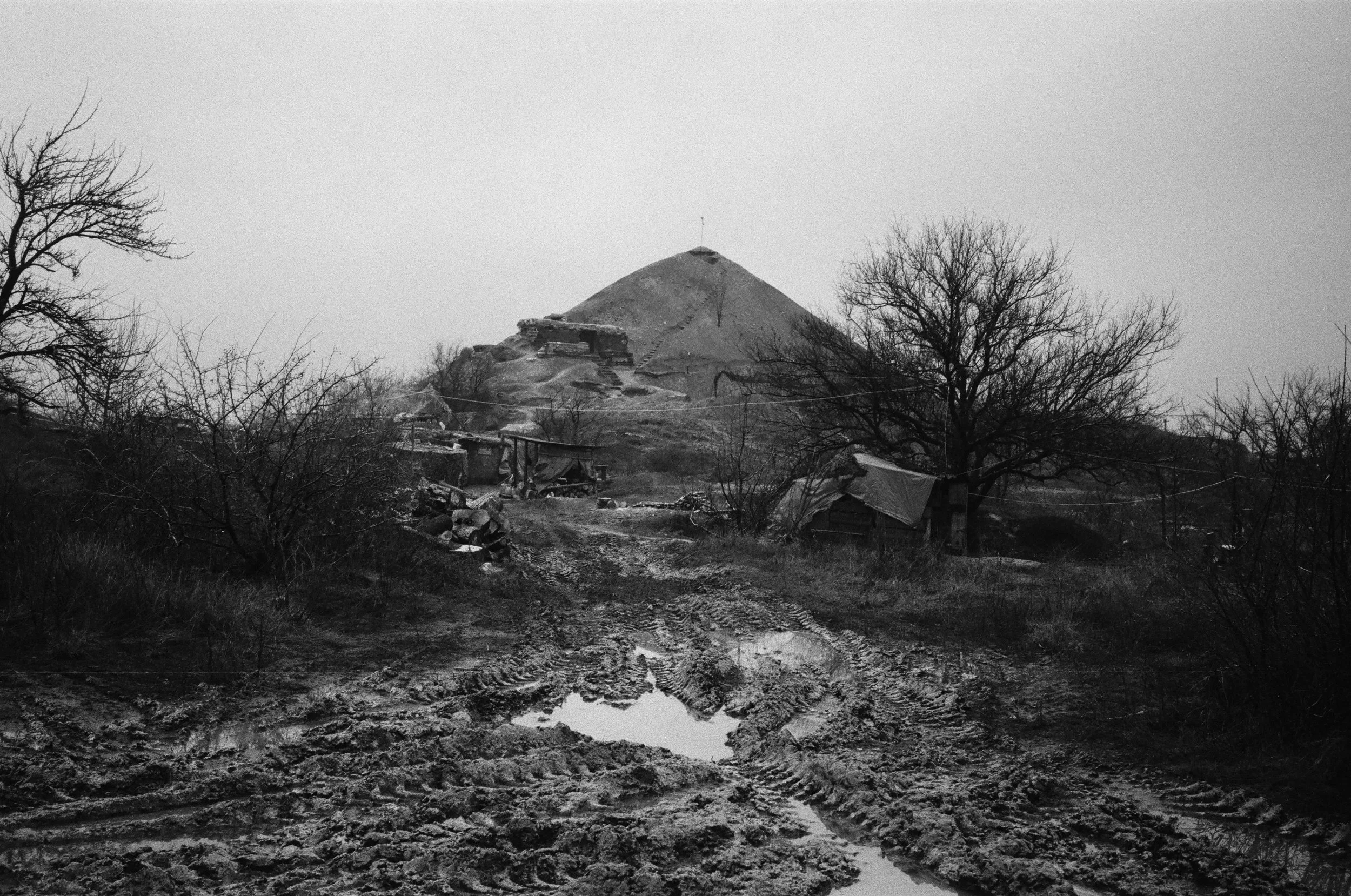
Scythian burial mounds still rise from the fields, and beside them stand slag heaps from the coal mines, younger by more than two thousand years. The coal lay in the east of the steppe, along the Donets River, and in the 19th century the deposits were named the Donets Basin. Mines meant factory towns, and workers from the Russian provinces filled them. The villages around them stayed Ukrainian until the Holodomor emptied many of them, and Moscow sent Russian families to live in the abandoned houses. In Soviet times, the basin’s short name, Donbas, came to stand for the whole region, though it never became official. Ukrainians remained the majority, yet a great many came to speak Russian, and the region’s older history slipped out of sight.
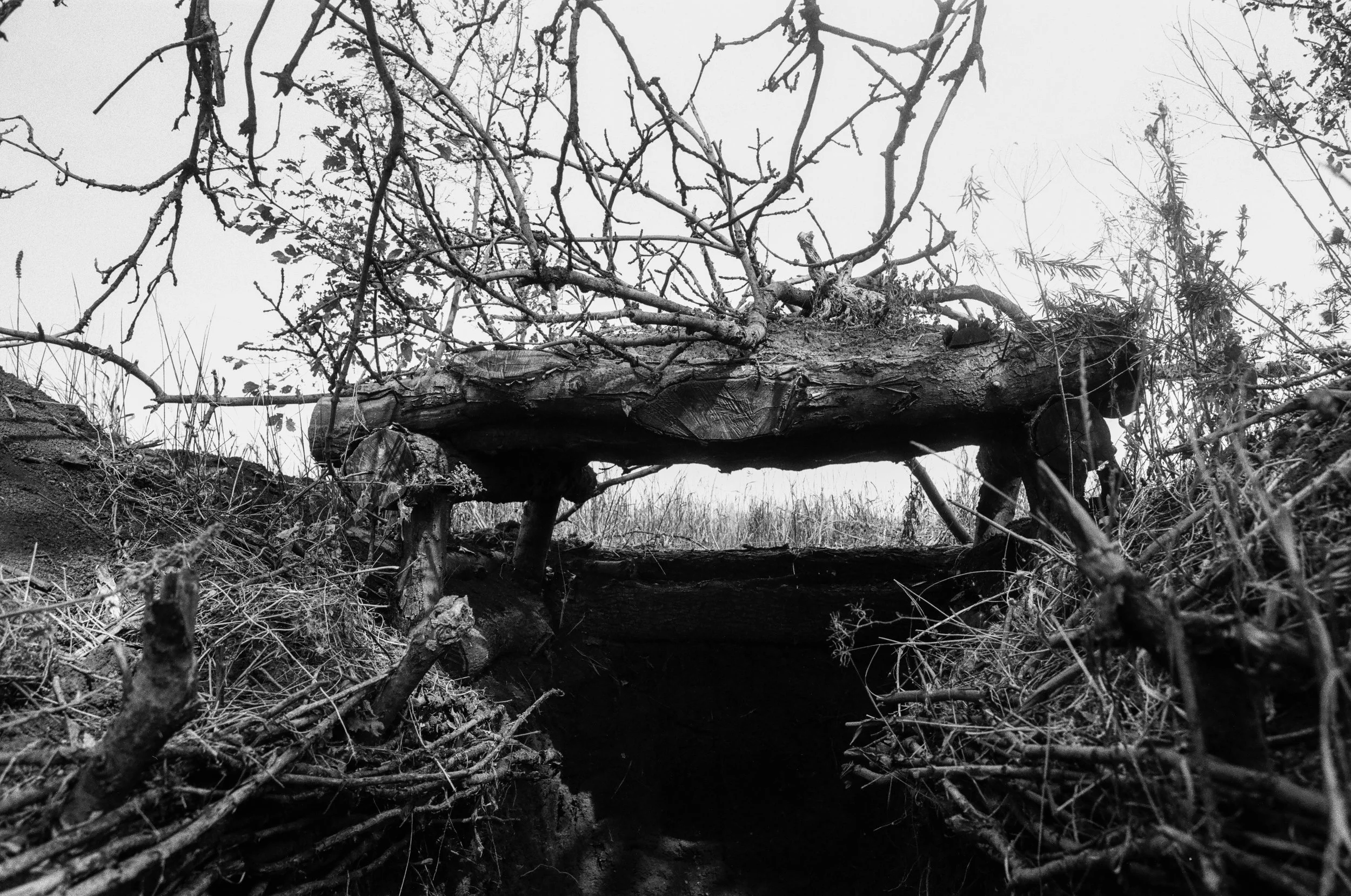
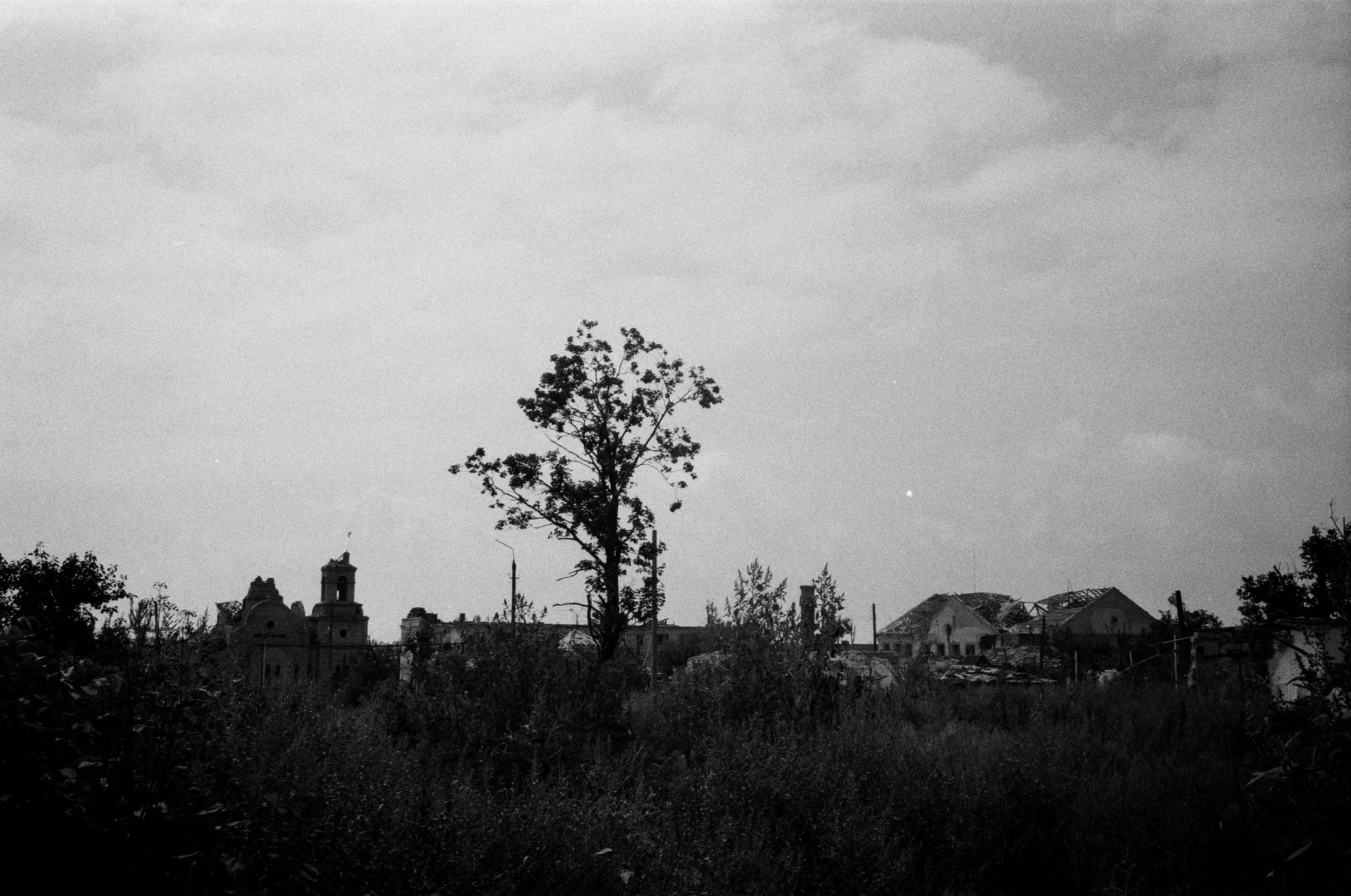
After years of war, much of the plain has become desert.